
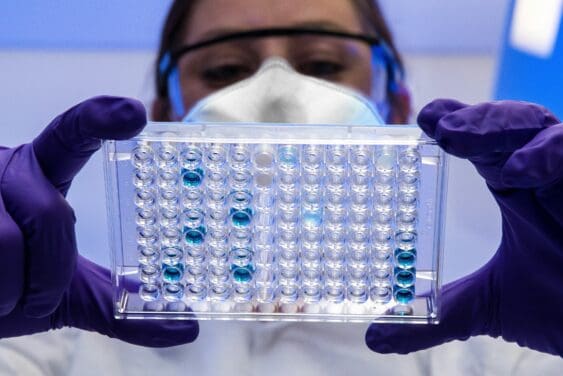
High-containment laboratory relocations represent the most complex and regulated moves in the life sciences industry. BSL-3 (Biosafety Level 3) and BSL-4 facilities working with dangerous pathogens require specialized expertise, regulatory coordination, and rigorous biosafety protocols throughout the relocation process.
Laboratory Movers LLC is one of the few moving companies qualified to relocate high-containment laboratories. Our biosafety-trained personnel, specialized equipment, and regulatory expertise ensure compliant, safe relocations of BSL-3 and BSL-4 facilities.
Understanding High-Containment Laboratory Operations
Biosafety Level 3 and 4 laboratories work with pathogens that cause serious or potentially lethal disease through inhalation exposure.
BSL-3 Laboratory Characteristics
The Centers for Disease Control and Prevention (CDC) and National Institutes of Health (NIH) define BSL-3 laboratories as facilities for work with indigenous or exotic agents with potential for aerosol transmission.
Common BSL-3 Pathogens:
- Mycobacterium tuberculosis
- SARS-CoV-2 (high-consequence variants)
- Francisella tularensis
- Coxiella burnetii
- St. Louis encephalitis virus
- West Nile virus
BSL-3 Facility Features:
- Directional airflow (negative pressure)
- HEPA-filtered exhaust air
- Self-closing, double-door access
- Sealed penetrations
- Dedicated ventilation systems
- Class II Biosafety Cabinets
BSL-4 Laboratory Characteristics
BSL-4 represents the highest level of biocontainment for work with dangerous and exotic pathogens posing high risk of life-threatening disease.
BSL-4 Pathogens:
- Ebola virus
- Marburg virus
- Lassa fever virus
- Crimean-Congo hemorrhagic fever virus
- Nipah and Hendra viruses
- Variola (smallpox) virus
BSL-4 Facility Features:
- Class III Biosafety Cabinets or positive-pressure suits
- Air-tight laboratory construction
- Dedicated, non-recirculated ventilation
- HEPA filtration of supply and exhaust air
- Chemical shower decontamination
- Effluent decontamination systems
Only a handful of BSL-4 facilities exist in the United States, and relocating them requires unprecedented expertise and coordination.
Regulatory Framework for High-Containment Laboratory Moves
Multiple federal agencies regulate high-containment laboratory operations and relocations.
CDC Select Agent Program
The Federal Select Agent Program, jointly administered by CDC and USDA, regulates possession, use, and transfer of biological select agents and toxins.
Select Agent Relocation Requirements:
- Notification to CDC/USDA before move
- Updated facility registration
- Security plan revision
- Transfer documentation
- Inventory reconciliation
- Responsible Official approval
Select Agent Inventory Management During Moves:
- Comprehensive inventory before move
- Secure transport with tracking
- Receiving inventory verification
- Documentation of any discrepancies
- Security measures throughout transport
Failure to properly manage Select Agent materials during relocation can result in registration suspension and federal investigation.
CDC Laboratory Registration
BSL-3 facilities not working with Select Agents still require CDC registration and compliance with biosafety standards.
CDC Registration Considerations:
- Update registration for new facility address
- Ensure new facility meets BSL-3 standards
- Biosafety committee approval
- Occupational health program continuity
- Training and certification maintenance
NIH Guidelines Compliance
Institutions receiving NIH funding must comply with the NIH Guidelines for Research Involving Recombinant or Synthetic Nucleic Acid Molecules.
IBC Oversight of Relocations:
- Institutional Biosafety Committee approval
- Principal Investigator notifications
- Updated biosafety registrations
- Facility commissioning verification
Pre-Move Decontamination and Certification
High-containment laboratories require terminal decontamination before any physical relocation activities.
Terminal Decontamination Procedures
BSL-3 Decontamination:
- Gaseous decontamination (formaldehyde, chlorine dioxide, or hydrogen peroxide vapor)
- Surface decontamination
- Equipment decontamination
- Biological indicator verification
- Third-party certification
BSL-4 Decontamination:
- Multiple decontamination cycles
- Extended contact times
- Enhanced biological indicator testing
- Independent verification
- Documented clearance before access
The American Biological Safety Association (ABSA) publishes standards for laboratory decontamination. Our team coordinates with certified decontamination specialists for high-containment facility moves.
Biological Indicator Testing
Decontamination Verification:
- Geobacillus stearothermophilus spores for steam/vapor
- Bacillus atrophaeus spores for chemical agents
- Strategic placement throughout laboratory
- Incubation and analysis
- Documentation of sterility
Terminal decontamination must be verified before any dismantling or moving activities begin in high-containment laboratories.
Specialized Equipment Relocation
High-containment laboratories contain unique, expensive equipment requiring expert handling.
Class III Biosafety Cabinets
Glove Box Relocation:
- Post-decontamination HEPA filter removal
- Structural integrity protection during transport
- Glove port protection
- Viewing panel safeguarding
- Reinstallation and recertification
Class III cabinets are gas-tight enclosures costing $50,000-$100,000+ each. Damage during relocation has serious financial and operational consequences.
Positive-Pressure Suit Systems
BSL-4 Suit System Components:
Positive-pressure suit storage and decontamination
Chemical shower systems
Air supply manifolds
Emergency air backup systems
Suit integrity testing equipment
BSL-4 suit systems require careful dismantling, transport, and reinstallation to maintain life-safety capabilities.
HVAC and Building Systems
Critical Building Infrastructure:
- Dedicated air handling units
- HEPA filtration systems
- Building automation and monitoring
- Emergency power systems
- Effluent decontamination systems
While building systems typically remain in place, relocations involving BSL-3/4 modular units or complete facility moves require specialized HVAC contractor coordination.
Pathogen and Biological Material Transport
Transporting pathogens between high-containment facilities requires strict regulatory compliance.
DOT and IATA Shipping Requirements
Dangerous Goods Classifications:
- UN 2814 (Infectious substance, affecting humans)
- UN 2900 (Infectious substance, affecting animals)
- Category A (capable of causing permanent disability or death)
- Proper shipping names and classifications
The Department of Transportation (DOT) and International Air Transport Association (IATA) regulate dangerous goods transport, including infectious substances.
Packaging Requirements:
- Triple packaging system (primary, secondary, outer)
- UN-certified packaging
- Proper marking and labeling
- Shipping documentation
- 24-hour emergency contact
Select Agent Transfer Procedures
APHIS/CDC Transfer Requirements:
- APHIS/CDC Form 1 or 2 completion
- Prior authorization for interstate transfers
- Secure transport arrangements
- Electronic transfer notification
- Receiving laboratory confirmation
Select Agent transfers face additional security requirements including:
- Approved courier service or personnel
- Tracking and monitoring during transport
- Security measures throughout shipment
- Investigation of any irregularities
Our team maintains dangerous goods certifications and Select Agent transfer experience for compliant pathogen relocations.
Personnel Safety and Training
High-containment laboratory relocations require extensively trained personnel.
Required Personnel Training
Moving Crew Qualifications:
- Bloodborne pathogen training
- Biosafety principles and practices
- Personal protective equipment use
- Emergency response procedures
- Decontamination protocols
Specialized Certifications:
- OSHA 40-hour HAZWOPER
- DOT dangerous goods certification
- Biosafety training programs
- Site-specific training requirements
Laboratory Movers LLC maintains personnel with these specialized qualifications for high-containment laboratory relocations.
Occupational Health Requirements
Medical Surveillance:
- Pre-placement health assessments
- Vaccinations as appropriate
- Respiratory fit testing
- Medical clearance for respirator use
- Post-exposure protocols
Workers involved in high-containment laboratory moves should be enrolled in appropriate occupational health programs.
Facility Commissioning and Certification
New or relocated high-containment laboratories require comprehensive testing and certification before operations resume.
BSL-3 Commissioning Requirements
Testing and Certification:
- HEPA filter integrity testing (DOP or equivalent)
- Airflow direction and velocity verification
- Room pressure differential verification
- Air change rate measurement
- Biological safety cabinet certification
- Autoclave validation
- Effluent decontamination system testing
Certification Standards:
- NSF/ANSI 49 for Class II Biosafety Cabinets
- Room negative pressure of ≥0.01 inches water gauge
- 100% exhaust of room air (no recirculation)
- HEPA filtration efficiency >99.97% at 0.3 microns
Third-party commissioning agents certify compliance with biosafety standards. We coordinate with certification specialists as part of the relocation project.
BSL-4 Commissioning Requirements
Enhanced Testing Requirements:
- Gas-tight room integrity testing
- Positive-pressure suit system verification
- Chemical shower functionality
- Emergency power system testing
- Building automation and alarms
- Effluent decontamination validation
- Communication system verification
BSL-4 commissioning is significantly more extensive and time-consuming than BSL-3, often taking several months.
Operational Readiness Review
Pre-Operational Activities:
- Biosafety committee approval
- Standard operating procedure updates
- Personnel training and qualification
- Emergency response exercises
- Biosafety officer approval
- Institutional approval for operations
Many institutions conduct operational readiness reviews before authorizing resumption of high-containment research.
Emergency Response Planning
High-containment laboratory relocations require comprehensive emergency preparedness.
Relocation-Specific Emergencies
Potential Incidents:
- Spills during packing or transport
- Package damage or container breach
- Equipment malfunction or failure
- Transportation incidents
- Weather-related delays with biological materials
- Security incidents with Select Agents
Emergency Response Components:
- Incident response procedures
- Emergency contact information
- Spill response equipment and materials
- Medical surveillance and post-exposure protocols
- Regulatory notification requirements
- Communication plans
Incident Reporting Requirements
Regulatory Notifications:
- CDC/USDA for Select Agent incidents
- NIH for guideline violations
- OSHA for occupational exposures
- DOT for transportation incidents
- Institutional biosafety offices
Rapid, appropriate incident response and reporting are critical for high-containment laboratory relocations.
Security Considerations
BSL-3 and BSL-4 facilities require enhanced security measures during relocations.
Physical Security During Moves
Security Measures:
- Background checks for moving personnel
- Secure transport vehicles
- GPS tracking of shipments
- Limited access to materials
- Video surveillance during activities
- Security escorts as needed
Select Agent regulations require security risk assessments and approved security plans for transport.
Information Security
Protecting Sensitive Information:
- Secure handling of research data
- Protection of facility drawings and designs
- Controlled access to project documentation
- Non-disclosure agreements
- Cybersecurity for electronic systems
High-containment facility designs and operations are sensitive information requiring protection.
Timeline and Project Management
High-containment laboratory relocations are multi-year projects requiring extensive planning.
Typical Project Timeline
Planning and Preparation (12-24 months):
- Facility design and construction
- Regulatory approvals and registrations
- Equipment procurement
- Decontamination planning
- Personnel training
Execution Phase (3-6 months):
- Terminal decontamination
- Equipment dismantling
- Transport and installation
- Facility commissioning
- Operational readiness activities
Post-Move Activities (3-6 months):
- Equipment revalidation
- Personnel retraining
- Research ramp-up
- Regulatory inspections
BSL-4 facility relocations or new construction projects can take 5-10 years from concept to full operations.
Cost Considerations
High-containment laboratory relocations are among the most expensive moving projects.
Major Cost Drivers
Financial Considerations:
- Terminal decontamination ($50,000-$500,000+)
- Specialized moving services
- Equipment recertification
- Facility commissioning
- Extended downtime and lost research time
- Regulatory consulting services
- Enhanced insurance requirements
Budget appropriately for high-containment laboratory relocations—costs typically exceed standard laboratory moves by 5-10x or more.
Selecting a High-Containment Laboratory Moving Partner
Very few moving companies have the expertise and qualifications for BSL-3 and BSL-4 relocations.
Essential Qualifications
Critical Capabilities:
- Demonstrated high-containment laboratory experience
- Biosafety-trained personnel
- Dangerous goods certifications
- Select Agent handling experience
- Regulatory compliance expertise
- Decontamination coordination capabilities
References and Track Record:
Request detailed references from similar high-containment facilities. Ask about:
- Regulatory compliance during move
- Safety incident history
- Equipment damage rates
- Project completion timeliness
- Regulatory inspection outcomes
Laboratory Movers LLC is one of the few companies with proven BSL-3 and BSL-4 relocation experience, providing the specialized expertise these complex projects demand.
Begin Planning Your High-Containment Laboratory Relocation
High-containment laboratory relocations require years of planning and specialized expertise. Start early and partner with experienced professionals who understand the unique requirements of BSL-3 and BSL-4 facilities.
The regulatory complexity, biosafety requirements, and specialized equipment involved in high-containment laboratory relocations demand expert partners with proven track records.
Ready to discuss your BSL-3 or BSL-4 laboratory relocation? Contact Laboratory Movers LLC for consultation on high-containment facility moving services.