Frozen Biological Material Transportation

UNIVERSITIES • BIOTECH • MEDICAL LABS

Specialized Cold-Chain Moving
for Research Laboratories

Moving frozen biological materials takes more than packing a freezer and loading a truck.

Research specimens, cell cultures, tissue samples and other temperature-sensitive materials can need specific handling conditions, carefully scheduled transit and documented transfers between facilities. Laboratory Movers helps research institutions, biotechnology companies, universities and medical labs plan relocations that involve refrigerated and frozen materials.

Whether your lab is moving across campus or across the country, we work with your lab staff to build a transport plan around the materials, the destination’s requirements and the logistics of the move.
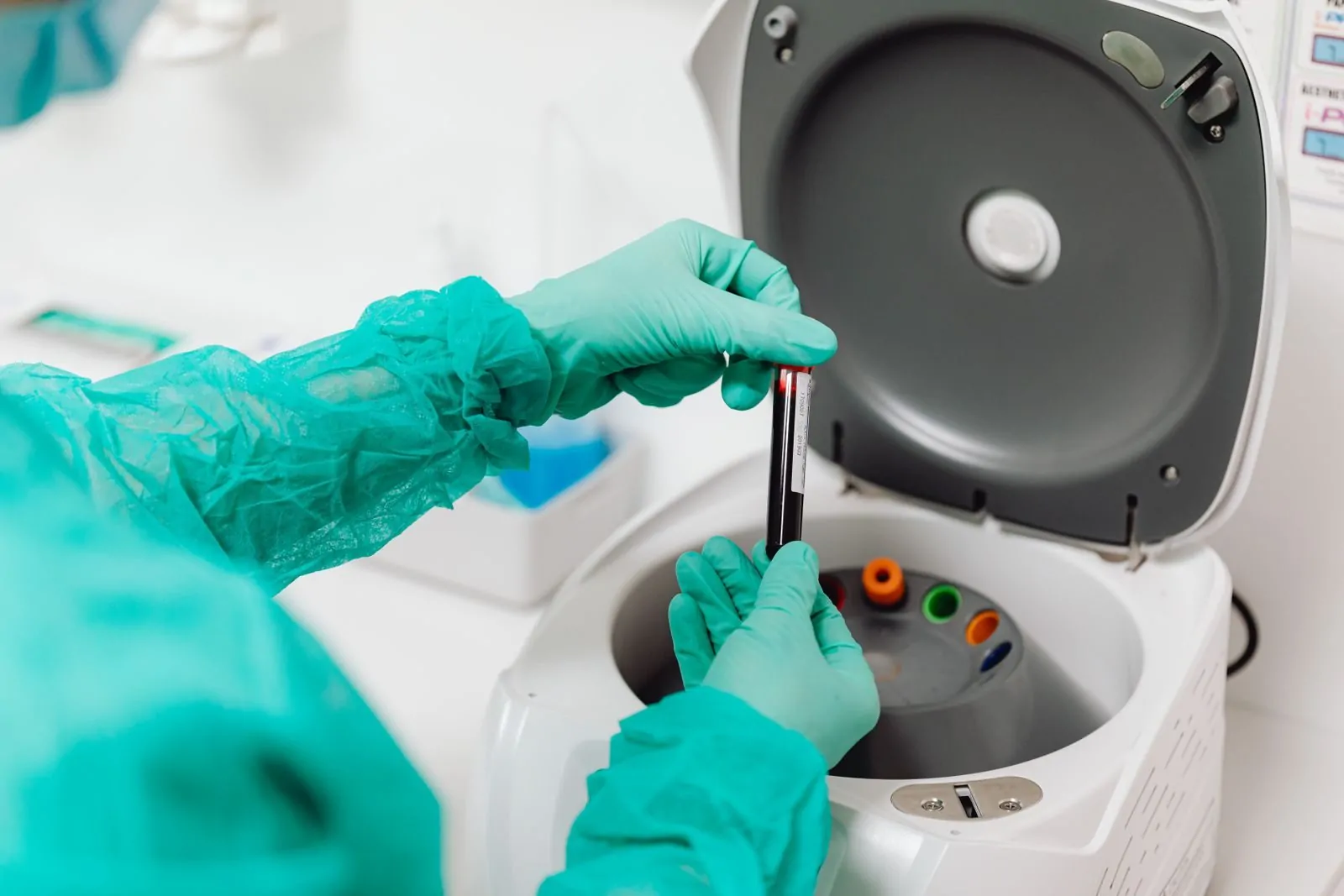
Lab technician operates a centrifuge machine, handling tubes with gloves.

Transport for Frozen and
Refrigerated Research Materials

Biological samples can be sensitive to small changes in handling conditions. A refrigerated shipment has different requirements from ultra-low-temperature freezer contents or cryogenic materials. Depending on the project, a transport plan can cover:

  • Refrigerated research materials kept near 4°C
  • Frozen biological specimens at about -20°C
  • Ultra-low-temperature materials at about -80°C
  • Cryogenic samples stored in liquid-nitrogen systems
  • Freezer inventories, sample labeling and documented receiving procedures
  • Backup refrigeration, alternative packaging and contingency planning

Temperature requirements are set by the responsible lab staff. Packaging and transport methods are chosen for the materials, the length of the move, equipment limits and the safety requirements that apply.


COLD-CHAIN PLANNING

Cold-Chain Planning for
Laboratory Relocations

A successful cold-chain lab move starts before the first sample is packed.

purple cells

1. Sample Inventory and
Transport Requirements

The lab identifies what has to move, the storage temperature for each material, any material restrictions and the receiving procedures at the destination.

Our relocation plan can include sample inventories, shipment labeling, transfer sequences and coordination with your designated lab contacts.

Close-up of a lab flask with purple liquid and test tubes in a scientific setting.

2. Temperature-Specific
Packaging and Equipment

Different research materials can call for insulated shipping containers, dry-ice packaging, refrigerated equipment, cryogenic dry shippers or other temperature-controlled methods.

The right system depends on the material and the approved shipping protocol. Specialized packaging, equipment and qualified partners are arranged as the scope requires. Moving the freezer itself? Read how to move a -80°C freezer.

a person wearing a mask

3. Transport Scheduling
and Monitoring

For interstate lab moves, transit time and delivery coordination matter even more.

Transport plans can include scheduled pickups, expedited routing, temperature monitoring, contingency provisions and communication with the receiving lab. Monitoring requirements and acceptable temperature ranges are agreed before the move.

A white and blue DNA double helix structure against a dark background

4. Delivery and
Receiving Coordination

The transfer isn’t complete just because the materials reach the new building.

Receiving staff need the right equipment and procedures ready. Final handoffs can include checking sample identifiers, confirming container condition, reviewing records and reconciling inventories against the shipment documents.


COMPLETED PROJECT

University of Chicago to Los Angeles:
Frozen Biospecimens Cross-Country

We moved frozen biological samples from the University of Chicago to a receiving lab in Los Angeles using cold-chain transport, temperature monitoring and documented handoffs between the origin and destination lab managers.

The samples arrived at their original storage temperatures. Read the full University of Chicago case study.

PLANNING EXAMPLES

Planning for Multiple
Temperature Requirements

Ithaca, New York to Palo Alto, California. We prepared a relocation plan for a university research lab moving about 2,800 miles. The frozen-material scope covered two -20°C freezers and a 4°C refrigeration unit, with insulated containers, inventory labels, monitoring, backup refrigeration and expedited transit. The wider equipment inventory included LC-MS, GC-MS, HPLC, balances, reactors and chillers, which is why the samples and the instruments were planned separately.

San Francisco to Bethesda, Maryland. For a university lab moving to a federal research facility, we prepared plans for three separate shipments: histology materials kept near 4°C, specimens from -20°C freezers, and ultra-low-temperature freezer contents with liquid-nitrogen sample boxes. The plans covered insulated packaging, inventories, monitoring, cooling reserves, specialized containers and documented handoffs.

Both show the same principle: materials from the same research institution can need entirely different transport strategies.


LOCAL, INTERSTATE AND CROSS-COUNTRY

Frozen Material Transport
Anywhere in the United States

Long-distance research moves depend on transport windows, institutional schedules, sample compatibility, loading conditions and when receiving staff are available.

For a biotech company, that can mean moving research operations between facilities. For a university lab, it can mean a principal investigator’s cross-country laboratory relocation where instruments, records and biological materials all have to stay organized. Our goal is a clear transport scope built around your lab, not treating sensitive specimens as ordinary moving cargo.

We plan cold-chain lab moves to and from research hubs nationwide, including:

Northeast: Boston, Cambridge, New York City, Ithaca, Philadelphia, Pittsburgh
Mid-Atlantic and Southeast: Washington, D.C., Raleigh, Charlotte, Columbia, SC, Atlanta, Orlando
Midwest: Chicago, Detroit
South and West: Dallas, Houston, Phoenix, Los Angeles, San Francisco


Frozen Biological Material
Transportation FAQs


Secured by Inspirable.com