Cross-Country Laboratory Relocation

UNIVERSITIES • BIOTECH • PHARMA • INDUSTRIAL

Nationwide Lab Movers for
Interstate Research Relocations

Laboratory Movers provides cross-country laboratory relocation for universities, biotechnology companies, pharmaceutical organizations, medical research facilities and industrial laboratories.

Moving a lab across the country is a complex logistics project. Scientific equipment, research materials, lab furniture and sensitive instruments have to be prepared for a long trip while the receiving facility lines up space, utilities, schedules and technical staff.

Unlike a standard commercial move, an interstate lab move can involve instrument-specific packing, specialized handling equipment, several shipments, temporary storage and coordination between research teams thousands of miles apart. From the first equipment survey to delivery at the new building, we plan the move around your research priorities.

A stack of brown cardboard boxes against a solid brown background

Interstate Laboratory
Moving Services

Moving a research lab between states involves more than distance. Labs hold equipment with very different transport needs: heavy analytical instruments, precision optics, refrigerated storage and fragile supplies. Our interstate lab moving services can include:

  • Pre-move lab surveys and equipment inventories
  • Protective packing and custom crating
  • Specialized handling for sensitive scientific instruments
  • Heavy lab equipment moving and rigging coordination
  • Long-distance equipment transportation
  • Cold-chain and biological sample transport planning
  • Temporary equipment storage and staged deliveries
  • Destination receiving, inventory reconciliation and placement

The service plan depends on the equipment, materials, building access and special requirements of each project.


HOW A LONG-DISTANCE LAB MOVE IS PLANNED

Planning a Long-Distance
Laboratory Relocation

A cross-country lab move runs in four stages. Each one is planned before the first box is packed.

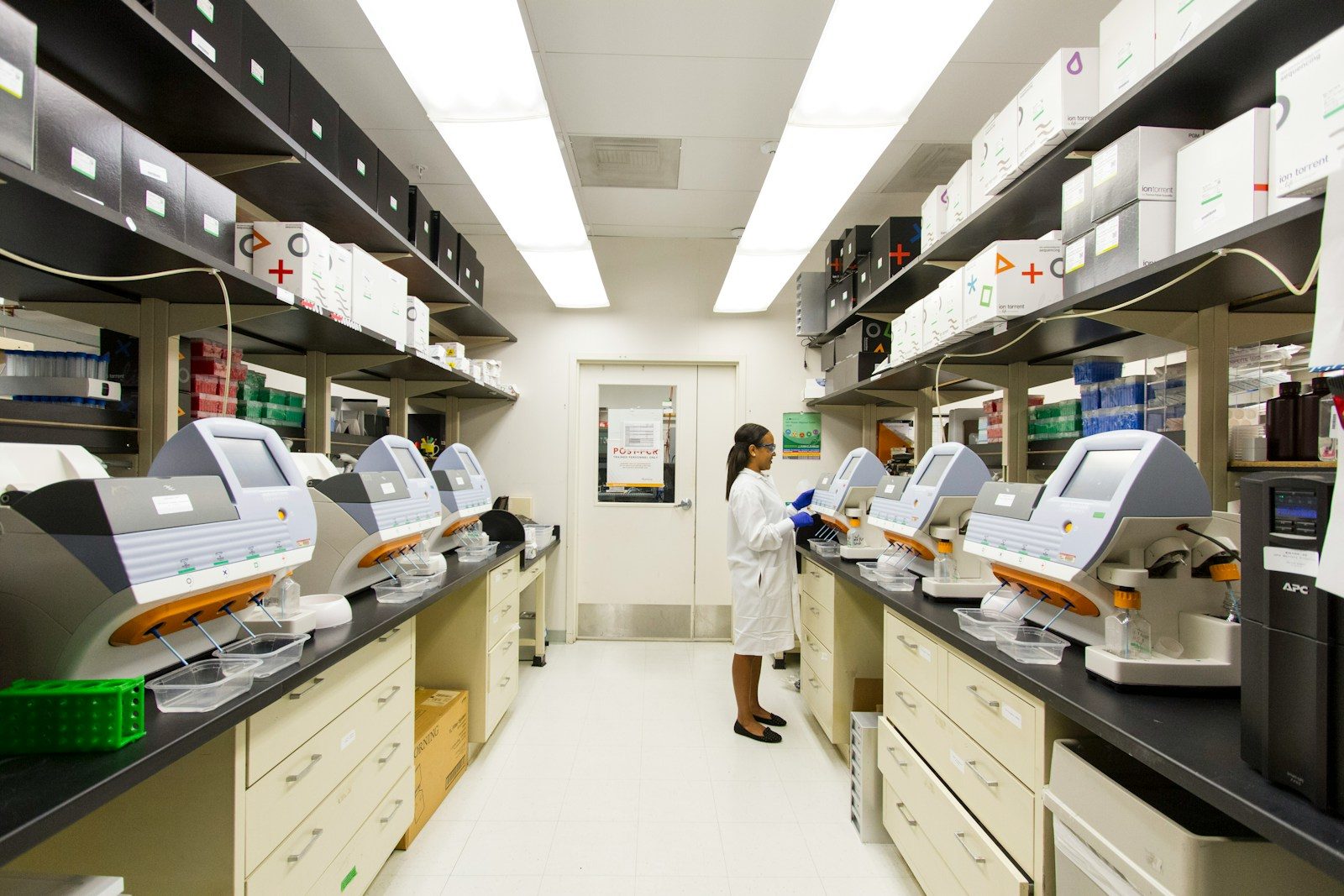
woman standing in front of the digital machine

1. Equipment Assessment
and Detailed Inventory

Before the move, every item in the lab is identified and assessed. An inventory can cover analytical instruments, microscopes, biosafety cabinets, incubators, centrifuges, refrigeration units, computers, lab furniture and related research equipment.

We flag the items that need special preparation, manufacturer involvement or equipment-specific transport. Read more about our lab equipment moving service.

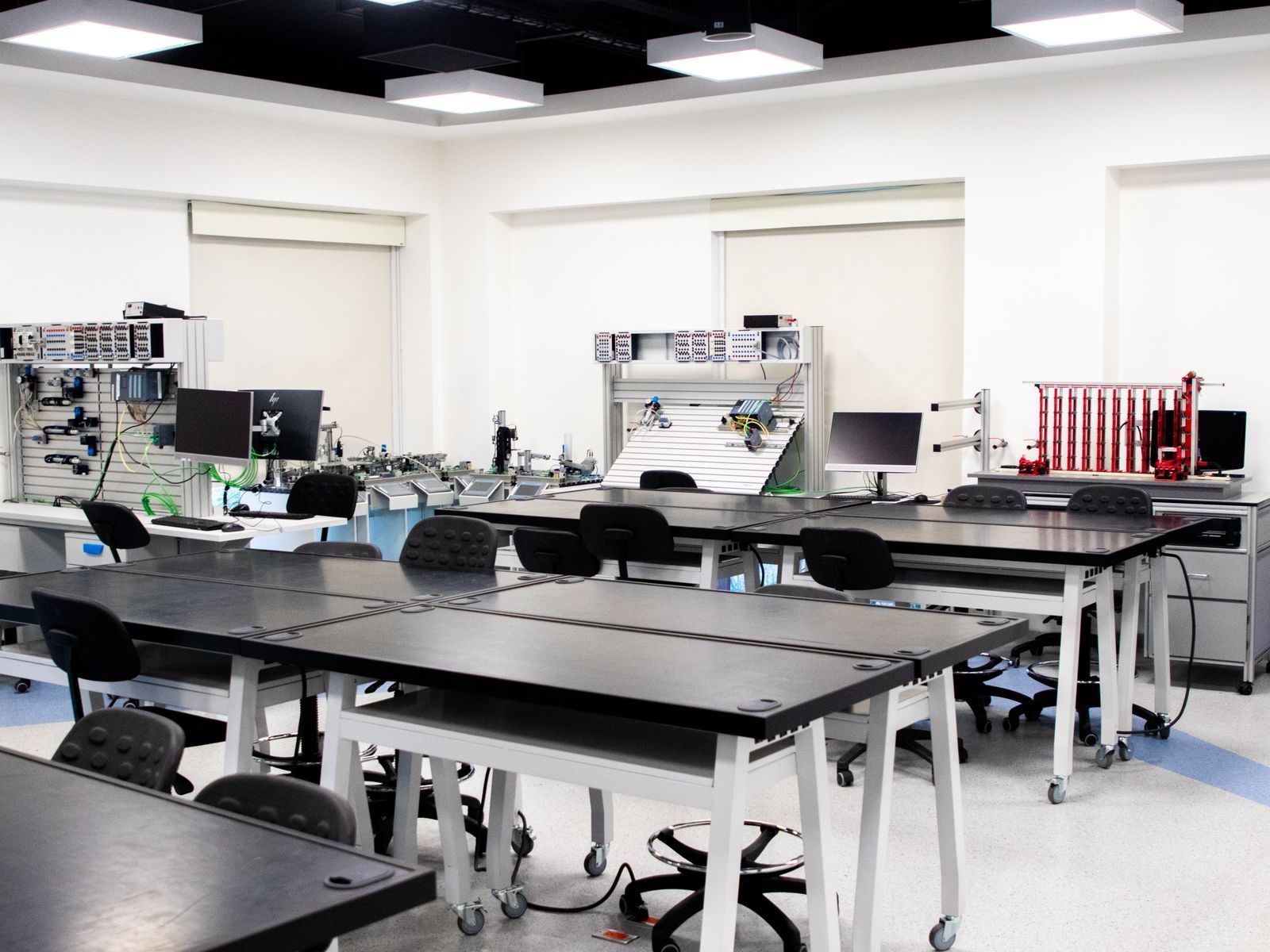
A contemporary classroom equipped with advanced technological tools and workstations.

2. Packing and Protecting
Sensitive Instruments

Research equipment often has precision components that are sensitive to movement, shock, vibration or rough handling.

Based on manufacturer instructions and equipment specifications, protection can include custom crating, specialized cushioning, stabilization, labeling and careful load securement. Equipment that needs technical shutdown, disconnection or recommissioning is coordinated with qualified lab staff or authorized service providers.

a view of a city skyline at sunset

3. Interstate Transportation
and Scheduling

Long-distance lab moves take coordination between the departure facility, the transport team and the receiving institution.

Shipment schedules have to account for building access, loading docks, freight elevators, receiving hours, traffic restrictions and when destination staff are available. Where appropriate, specialized vehicles such as air-ride equipment are built into the plan.

Frozen samples and temperature-sensitive materials usually move on their own plan. See frozen biological material transportation.

Researcher examining a sample in a university laboratory

4. Receiving and
Reinstallation Coordination

A lab move isn’t finished when the truck reaches its destination.

Equipment is delivered to the right rooms, reconciled against the inventory and made available to your technical staff for inspection, installation, calibration and commissioning as required. Destination readiness matters most when several shipments arrive on different days.


COMPLETED INTERSTATE PROJECT

Real Project: UNC Charlotte
to the University of Chicago

Laboratory Movers completed an interstate lab relocation from the University of North Carolina at Charlotte to the University of Chicago.

The project covered about 4,500 square feet of lab space and had to work around the university’s moving procedures and a difficult loading dock. An eight-person crew handled lab glassware and scientific equipment, including biosafety cabinets, HPLC systems, microscopes, analytical balances and general lab supplies.

Packing and loading took three days. Transport to Chicago took two days, and unloading at the destination was finished in under two days. Read the full UNC Charlotte to University of Chicago case study.

We have also moved frozen biological samples cross-country from the University of Chicago to a receiving lab in Los Angeles. Read the University of Chicago case study.

PLANNING EXAMPLE

Planning a Coast-to-Coast University Move:
Ithaca, New York to Palo Alto, California

We prepared a relocation plan for a university research lab moving about 2,800 miles from Ithaca, New York to Palo Alto, California.

The equipment scope listed LC-MS, GC-MS and HPLC instruments, analytical balances, reactors, chillers and lab freezers. A separate frozen-material plan covered -20°C freezers and refrigerated materials kept near 4°C.

It shows how one cross-country lab move can need different transport strategies for scientific instruments and for biological research materials.


WHO WE MOVE

Cross-Country Laboratory Relocation
for Every Kind of Research Organization

University and academic research labs. Academic moves often follow faculty appointments, department changes, new buildings and grant-funded research transitions. They can involve university facilities teams, environmental health and safety departments, principal investigators and equipment manufacturers.

Biotechnology and pharmaceutical labs. Biotech and pharma organizations move sensitive analytical equipment, specialized lab systems and research inventories between facilities. Detailed equipment schedules and facility readiness plans keep the move in step with operations.

Industrial and analytical testing labs. Industrial research labs can hold large analytical systems, heavy test equipment and unusual machinery, which bring their own lifting, rigging, packing and transport requirements.

WHAT DRIVES THE ESTIMATE

How Much Does a Cross-Country
Laboratory Move Cost?

The cost of an interstate lab move depends on the size of the lab, the equipment inventory, distance, packing, handling complexity and conditions at the destination. The main cost factors are:

  • Total quantity and weight of scientific equipment
  • Specialized packing or crating
  • Heavy equipment handling and rigging
  • Freight elevator and loading dock access
  • Temperature-sensitive research materials
  • Number of shipments and vehicles
  • Temporary storage or phased delivery
  • Technical service providers and destination requirements

A detailed equipment survey and a project-specific estimate give you an accurate budget. Contact Laboratory Movers to start one.

NATIONWIDE SERVICE

Lab Moves To and From
Research Hubs Across the U.S.

Laboratory Movers is a division of Massachusetts-based Hingham Moving Services. We plan lab moves between research facilities anywhere in the United States, including:

Northeast: Boston, Cambridge, New York City, Ithaca, Philadelphia, Pittsburgh
Mid-Atlantic and Southeast: Washington, D.C., Raleigh, Charlotte, Columbia, SC, Atlanta, Orlando
Midwest: Chicago, Detroit
South and West: Dallas, Houston, Phoenix, Los Angeles, San Francisco

Moving within one metro area instead? See our laboratory relocation services.


Cross-Country Laboratory
Relocation FAQs


Secured by Inspirable.com