High-Value Laboratory Equipment Moving

ANALYTICAL • OPTICAL • HEAVY • SENSITIVE

Laboratory Equipment Movers for
Scientific Instruments

Scientific labs depend on equipment that is expensive, highly sensitive and often hard to replace.

A lab move can involve sophisticated analytical instruments, specialized research machinery, precision optical systems and equipment that needs manufacturer-specific preparation. Moving these instruments is nothing like moving office furniture.

Laboratory Movers provides lab equipment moving and relocation planning for biotechnology companies, universities, pharmaceutical research facilities, medical labs and industrial research organizations. From a single instrument to a complete research facility, we plan around equipment inventories, handling requirements, building access, distance and destination readiness.
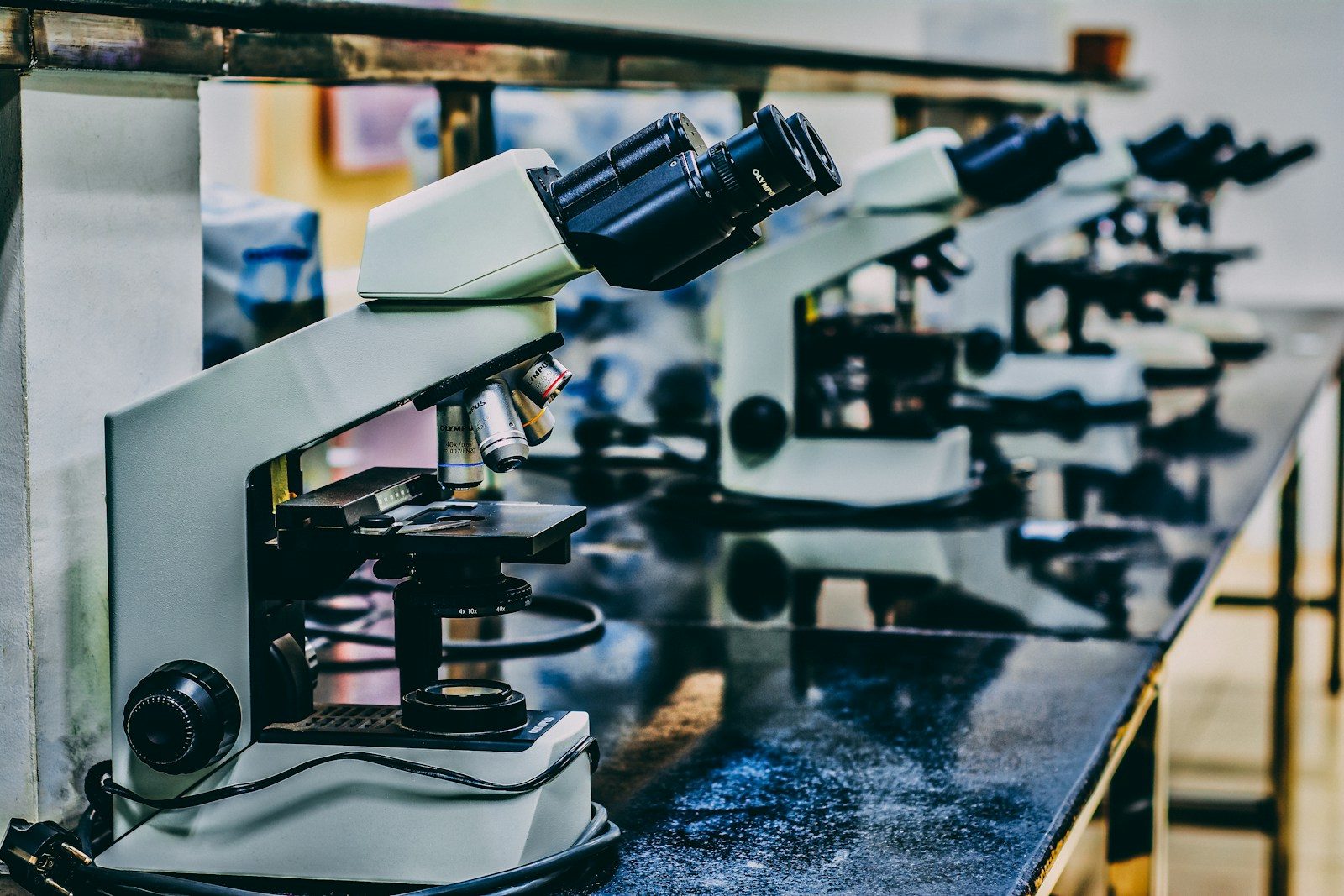
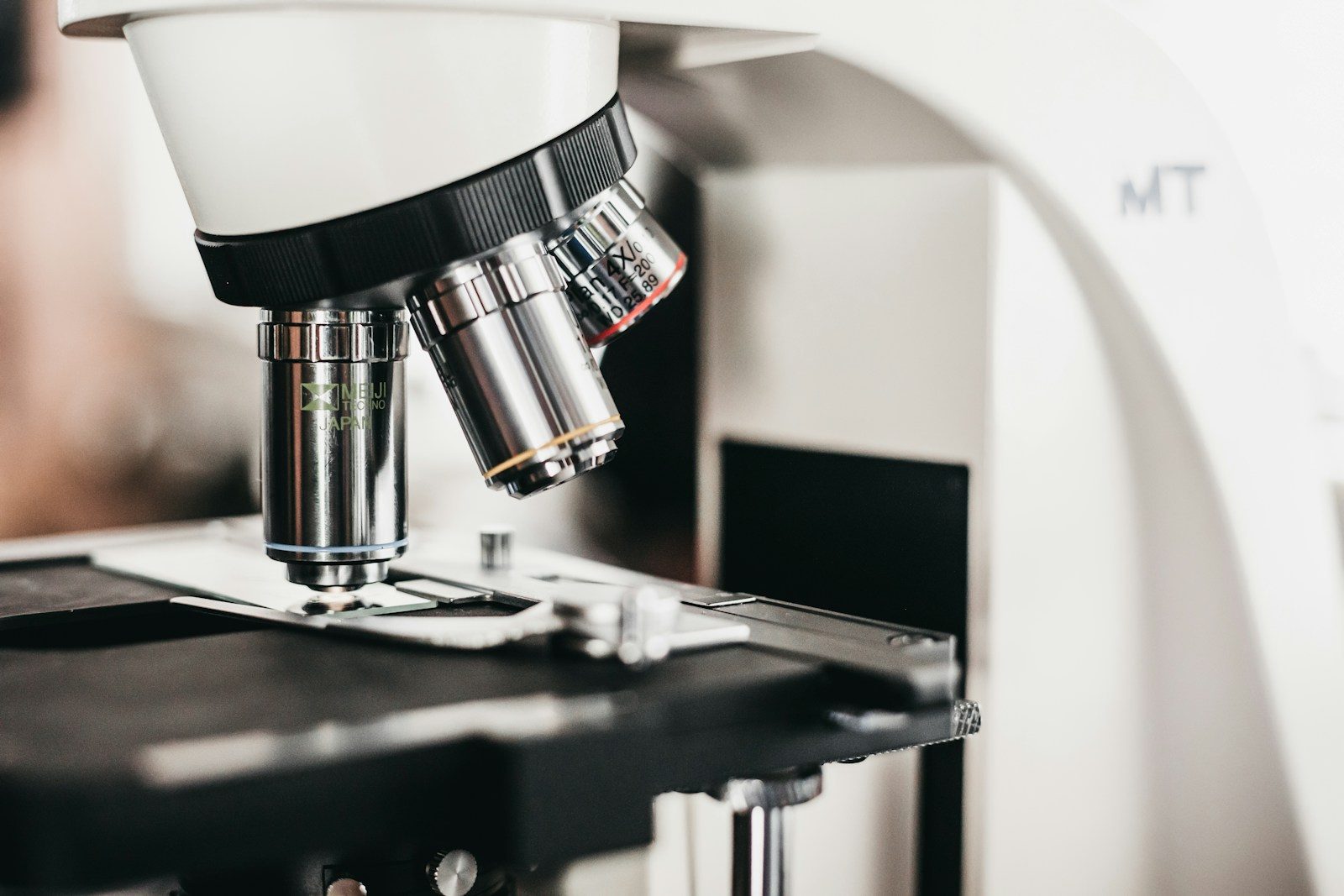
white microscope on top of black table

Moving Scientific and
Analytical Equipment

Every lab has a different mix of equipment, and individual instruments can have very different transport requirements. We work on projects involving equipment such as:

  • HPLC systems
  • LC-MS and GC-MS systems
  • Flow cytometers and cell sorters
  • Electron microscopes and precision optical microscopes
  • Spectrophotometers and analytical balances
  • Centrifuges, incubators and thermal cyclers
  • Electrophoresis and chromatography systems
  • Lab furnaces, reactors and industrial test equipment
  • Biosafety cabinets and specialized lab enclosures

Some instruments need manufacturer-authorized shutdown, disassembly, securing, recalibration or recommissioning. Those steps are handled by qualified lab staff or approved service providers, and we plan the physical move around them.


OUR PROCESS

How We Move High-Value
Laboratory Equipment

Five steps take each instrument from its bench at the origin to its room at the destination.

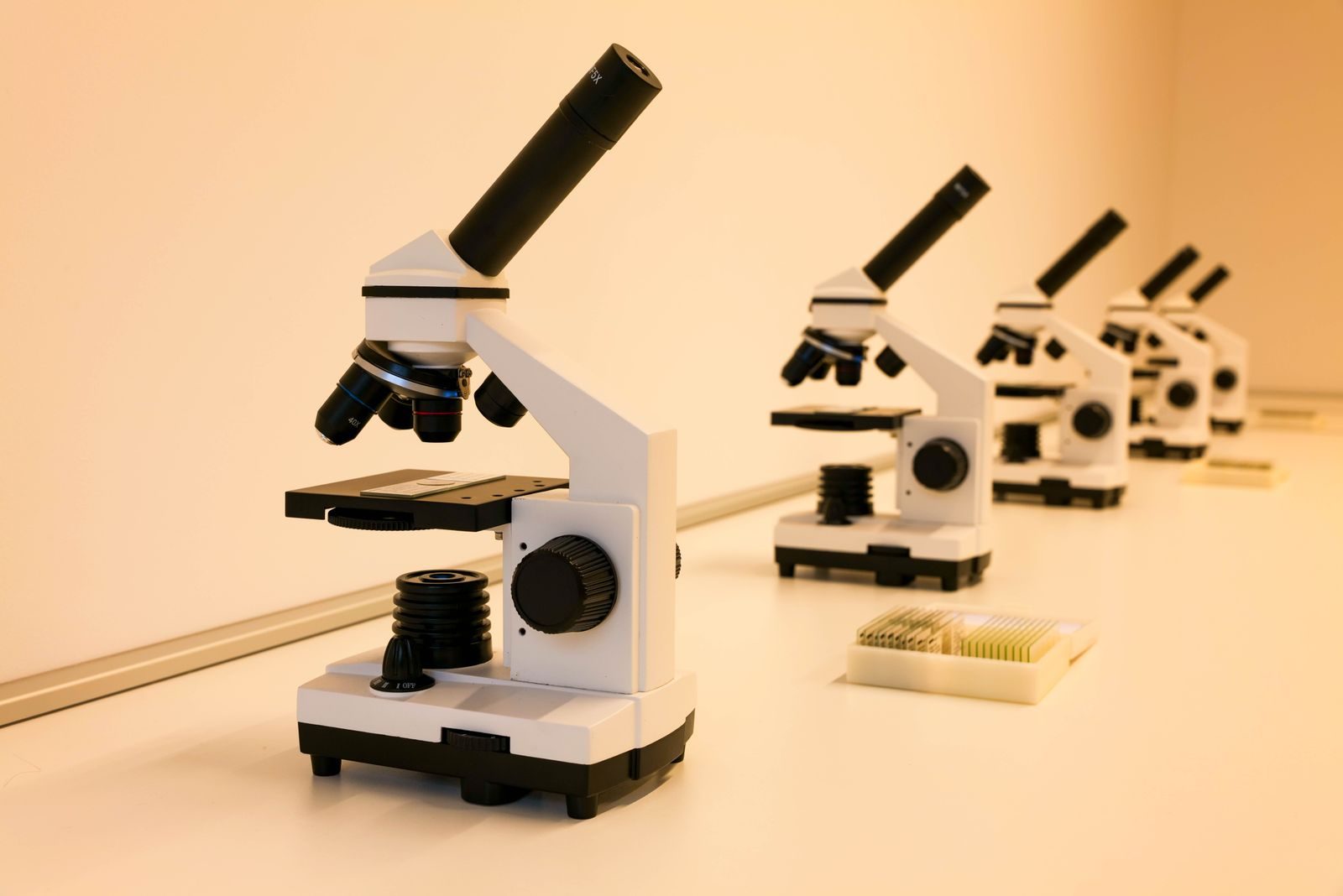
A series of microscopes on a lab table, ideal for scientific research and education.

1. Equipment Surveys and
Detailed Inventories

Before the move, each piece of equipment is identified and assessed. A survey can record each instrument’s dimensions, weight, fragile components, access restrictions, packing needs and its room at the receiving facility.

For larger moves, room-by-room inventories, asset labels and photos keep every item accounted for.

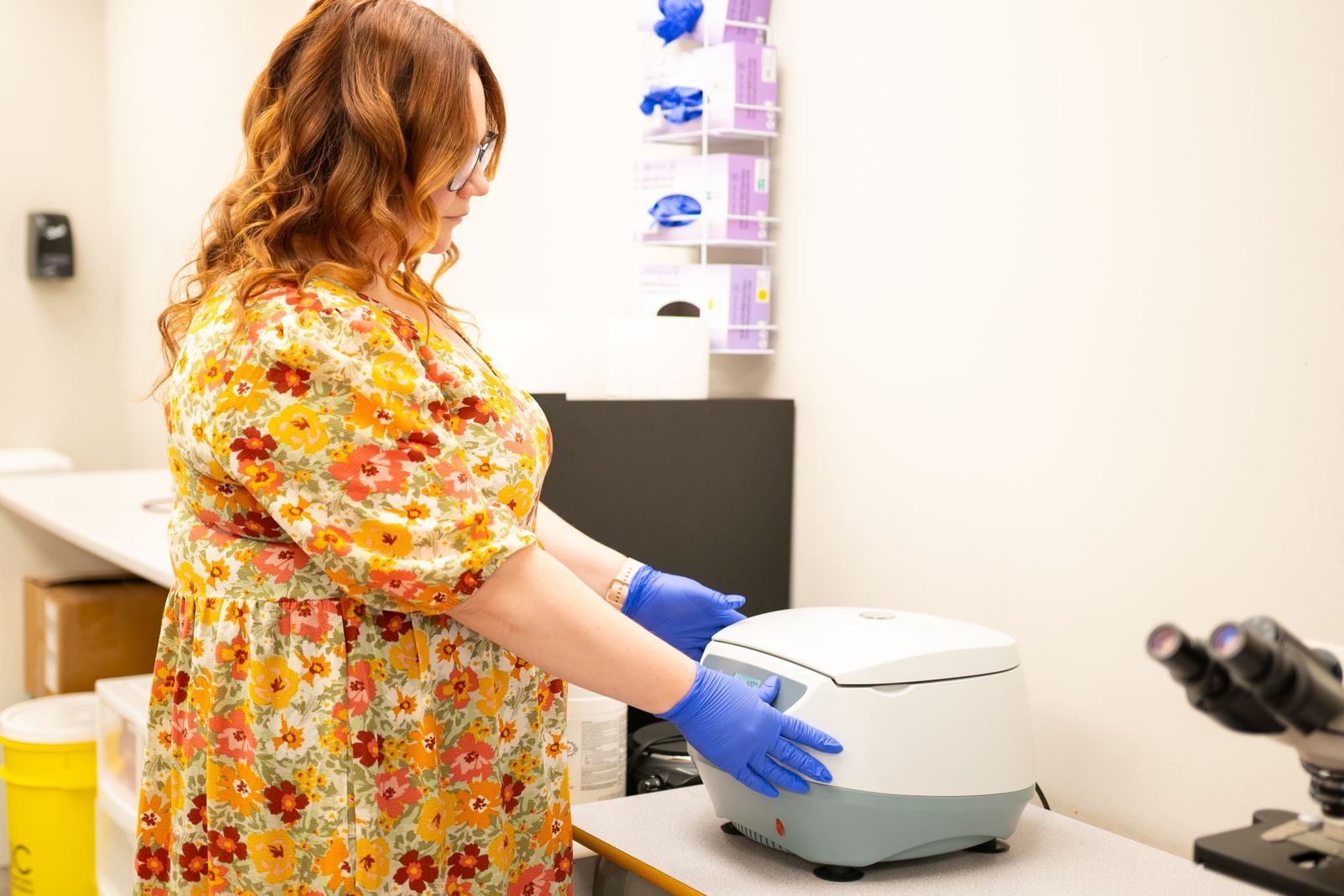
A female lab technician operates a centrifuge in a laboratory setting.

2. Protective Packing
and Custom Crating

Scientific instruments can have delicate internal mechanisms, sensitive optics, specialized connections or unusually high centers of gravity.

Depending on the equipment, protection can mean the manufacturer’s packaging, custom crates, cushioning, protective wrap or specialized handling fixtures, following the manufacturer’s instructions and each instrument’s transport risks.

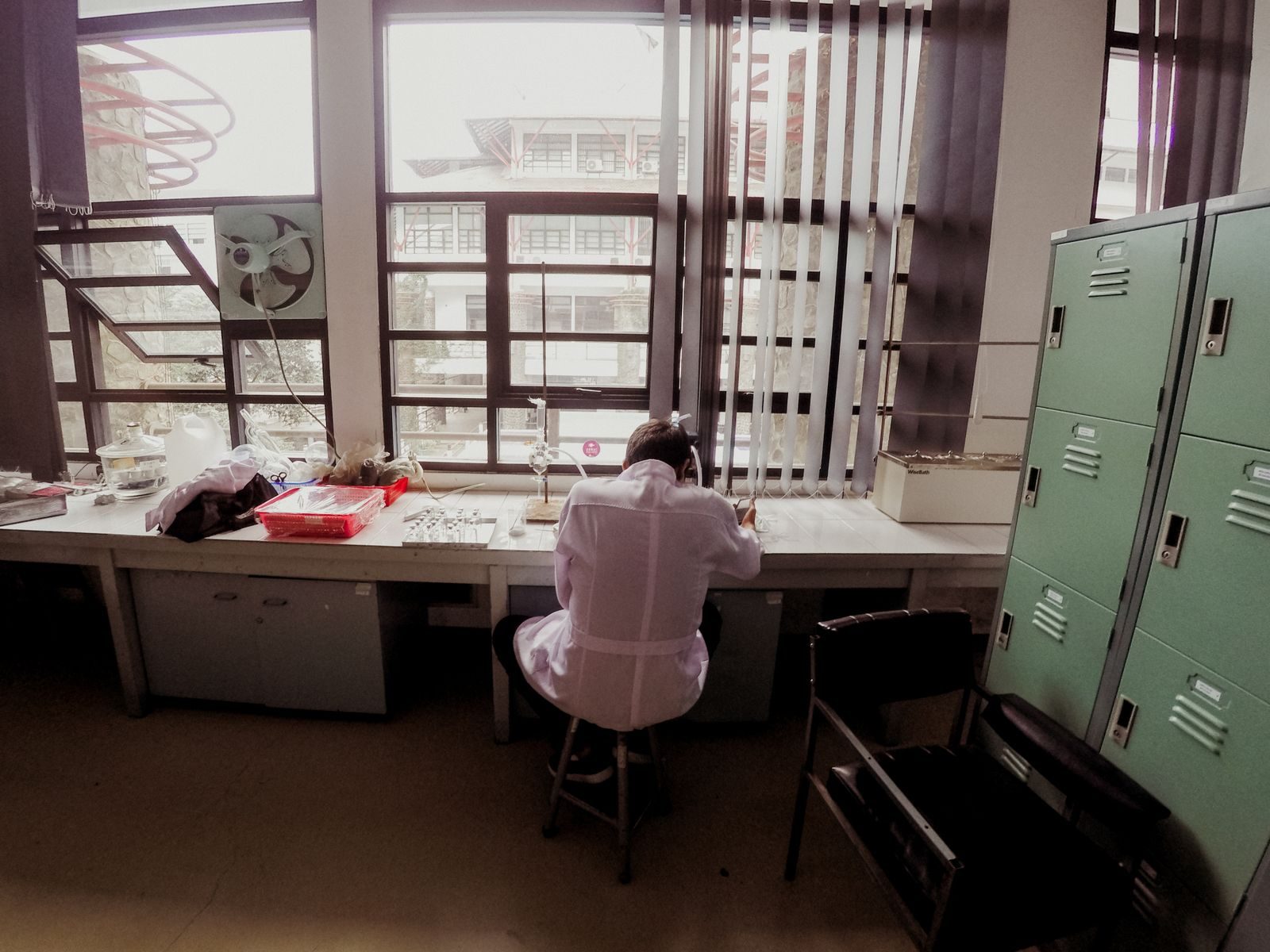
Back view of a scientist working in a laboratory in Jawa Barat, Indonesia. Glass windows provide natural light.

3. Heavy Equipment
Handling and Rigging

Some lab equipment is both heavy and fragile. Large microscopes, industrial test systems, big analytical instruments and specialty machinery can need planned lifting methods, the right handling equipment and qualified rigging crews.

Building access, elevator capacity, floor loading, door clearances and transport equipment are all checked before anything moves.

A person in protective blue coveralls mopping a white floor in a sterile room

4. Transport, Delivery and
Reinstallation Coordination

Long-distance instrument transport takes more than picking a truck. Planning can include vehicle selection, load securing, air-ride transport where suitable, shipment scheduling, intermediate staging and delivery appointments.

At the destination, we sequence deliveries, assign rooms, reconcile the inventory and coordinate with your technical staff or equipment vendors. Installation, calibration, qualification and operational testing stay separate technical steps unless they’re included through qualified providers. Going out of state? See cross-country laboratory relocation.


PLANNING EXAMPLES

Instrument Moves We Have Planned

Cambridge, Massachusetts to Southern California: biotech instruments with warehouse staging. We prepared a relocation plan to move a biotech company’s research equipment about 3,010 miles. The scope included a FACS Melody flow cytometry sorter, FPLC chromatography equipment, capillary electrophoresis instruments, spectrophotometers and cell counters. It called for detailed inventories, protective packing, air-ride transport and intermediate staging at a warehouse in Hanover, Massachusetts before delivery to California.

Baltimore area to Ohio: heavy analytical and test equipment. Planning for an industrial research lab move covered JEOL electron microscopes, Bruker infrared microscopy equipment, Agilent GC/MS systems, Atlas weatherometers, viscometers and other specialized instruments. Several major pieces weighed roughly 1,500 to 2,000 pounds, so the plan addressed inventories, specialized lifting and handling, transport and staged delivery.

Projects like these show why each instrument is evaluated on its own. A heavy scientific instrument can need both machinery-moving capability and the care of precision lab handling.

Completed moves: read our UNC Charlotte to University of Chicago case study (biosafety cabinets, HPLC systems, microscopes and balances).

STORAGE AND PHASED MOVES

Lab Equipment Storage and
Phased Relocation

Not every lab move happens in one continuous trip. Facilities going through renovation, expansion, consolidation or a cross-country move may need to stage equipment while the destination is prepared.

For suitable non-temperature-sensitive equipment, an intermediate warehouse can serve as a staging point. Storage plans account for each instrument’s environmental needs, protective packaging, security, inventory tracking and manufacturer restrictions.

Biological materials and instruments that need controlled conditions are assessed separately. General equipment storage is never assumed to be suitable for refrigerated or frozen specimens. For those, see frozen biological material transportation.

WHO WE MOVE

University, Biotech and
Industrial Lab Equipment

University labs can need coordination with research departments, campus facilities staff and incoming investigators.

Biotech and pharmaceutical research facilities may need to plan around production schedules, instrument service providers and facility qualification.

Industrial labs often bring heavy test machinery, advanced analytical systems and special access or rigging needs.

For all of them, an equipment-specific inventory and relocation plan keeps the moving team, lab staff and receiving facility working from the same list. We move lab equipment nationwide, including:

Northeast: Boston, Cambridge, New York City, Ithaca, Philadelphia, Pittsburgh
Mid-Atlantic and Southeast: Washington, D.C., Raleigh, Charlotte, Columbia, SC, Atlanta, Orlando
Midwest: Chicago, Detroit
South and West: Dallas, Houston, Phoenix, Los Angeles, San Francisco


Lab Equipment Moving FAQs


Secured by Inspirable.com